


Jak powstaje houseboat? | How is a Houseboat Built?
Data dodania: 2026-01-07
Jak powstaje houseboat? Proces budowy houseboata krok po kroku
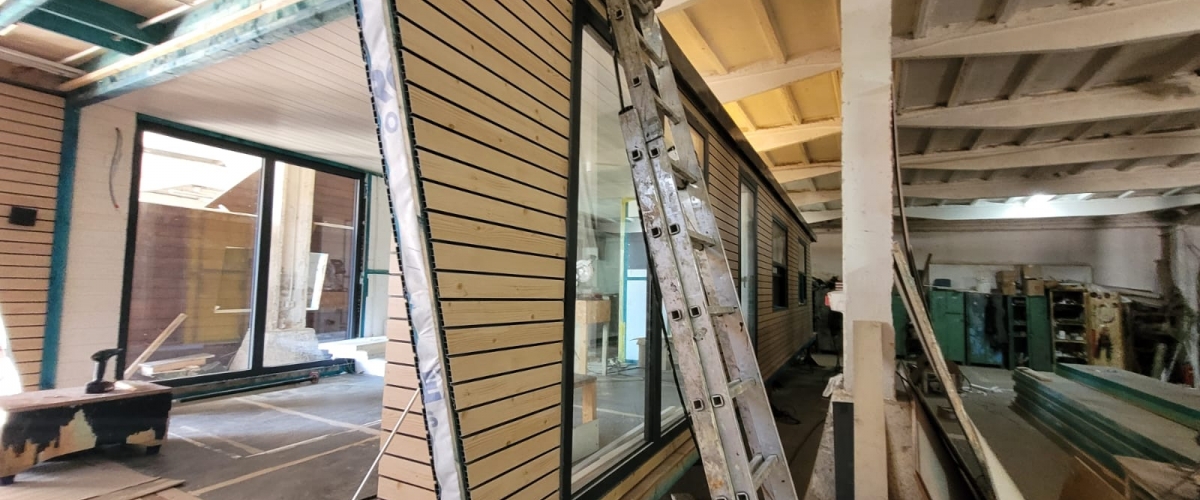
Budowa houseboata to zaawansowany proces inżynieryjny, który łączy elementy budownictwa, szkutnictwa oraz instalacji technicznych. W przeciwieństwie do klasycznych łodzi rekreacyjnych, houseboat musi spełniać jednocześnie funkcję jednostki pływającej oraz pełnowartościowego domu — często użytkowanego całorocznie.
W HOUSEBOAT WOMA proces produkcji oparty jest na precyzyjnie zdefiniowanych etapach, które gwarantują trwałość konstrukcji, stabilność na wodzie oraz komfort użytkowania. W tym artykule przedstawiamy 7 kluczowych etapów powstawania houseboata, od stalowej platformy po przygotowanie do transportu.
Dlaczego proces budowy houseboata ma kluczowe znaczenie?
Wielu inwestorów koncentruje się wyłącznie na wyglądzie zewnętrznym houseboata. Tymczasem to technologia wykonania, kolejność prac oraz jakość zastosowanych materiałów decydują o:
-
bezpieczeństwie konstrukcji,
-
odporności na wilgoć i warunki atmosferyczne,
-
możliwościach użytkowania houseboata przez cały rok,
-
kosztach eksploatacji w długim okresie.
Dlatego warto zrozumieć, jak wygląda profesjonalna budowa houseboata krok po kroku.
Etap 1: Steel Platform & Floor Base — fundament houseboata
Każdy houseboat rozpoczyna się od stalowej platformy nośnej, która stanowi bazę dla całej konstrukcji.
Na tym etapie realizowane są m.in.:
-
precyzyjne cięcie i spawanie elementów stalowych,
-
cynkowanie konstrukcji w celu zabezpieczenia antykorozyjnego,
-
montaż drewnianych wzmocnień konstrukcyjnych,
-
izolacja termiczna podłogi,
-
instalacja płyty GFK,
-
montaż i uszczelnienie podłogi ze sklejki.
Ten etap odpowiada za nośność, sztywność i trwałość houseboata, a także przygotowuje konstrukcję do dalszych prac.
Etap 2: Wall Structural System — konstrukcja ścian nośnych
Po wykonaniu platformy rozpoczyna się budowa drewnianej konstrukcji ścian, która pełni funkcję szkieletu całego domku.
Zakres prac obejmuje:
-
obróbkę i przygotowanie elementów drewnianych,
-
montaż konstrukcji ścian,
-
ocieplenie styropianem,
-
zastosowanie membran ochronnych,
-
przygotowanie przestrzeni pod instalacje elektryczne i wodno-kanalizacyjne.
Dzięki temu houseboat zyskuje wysoką izolacyjność termiczną i jest przystosowany do całorocznego użytkowania.
Etap 3: Roof Construction — techniczna konstrukcja dachu
Dach houseboata pełni funkcję konstrukcyjną i ochronną. Musi być odporny na obciążenia, wilgoć i zmienne warunki atmosferyczne.
Na tym etapie wykonywane są:
-
produkcja i montaż krokwi dachowych,
-
instalacja konstrukcyjnej sklejki dachowej,
-
izolacja termiczna dachu,
-
impregnacja żywicą,
-
malowanie ochronne,
-
produkcja i montaż elementów z żywicy.
To etap kluczowy dla szczelności i trwałości houseboata, szczególnie przy użytkowaniu w chłodniejszych miesiącach.
Etap 4: Facades, Decks & External Elements — elewacje i tarasy
Po zamknięciu bryły konstrukcyjnej następują prace nad zewnętrznymi elementami użytkowymi i estetycznymi.
W ramach tego etapu realizowane są:
-
montaż elewacji zewnętrznych,
-
wykończenie ścian i sufitów w łazience,
-
montaż paneli podłogowych,
-
budowa tarasów (przedniego, tylnego i górnego),
-
instalacja desek odbojowych i knag,
-
montaż elementów z żywicy.
Ten etap nadaje houseboatowi jego ostateczny wygląd, ale nadal pozostaje ściśle techniczny.
Etap 5: Buoyancy System Installation — montaż pływaków
System wyporności to jeden z najważniejszych elementów całej konstrukcji.
W HOUSEBOAT WOMA pływaki montowane są dopiero po zakończeniu konstrukcji, elewacji i tarasów, co pozwala na:
-
precyzyjne dopasowanie wyporności do realnej masy houseboata,
-
równomierny rozkład obciążeń,
-
zapewnienie stabilności na wodzie.
Na tym etapie wykonywane jest okuwanie i integracja pływaków z platformą nośną.
Etap 6: Interior Fit-Out & Technical Installations — wnętrze i instalacje
To najbardziej złożony etap budowy houseboata, obejmujący:
-
instalację elektryczną,
-
instalację hydrauliczną i kanalizacyjną,
-
montaż systemów grzewczych,
-
produkcję i montaż mebli kuchennych,
-
wyposażenie łazienki i sypialni,
-
montaż konsoli sterowniczej,
-
instalacje techniczne podpokładowe.
Na tym etapie houseboat staje się pełnowartościowym domem na wodzie.
Etap 7: Final Assembly & Transport Preparation — przygotowanie do wodowania
Ostatni etap obejmuje:
-
montaż silnika i układu sterowania,
-
instalację systemów paliwowych i gazowych,
-
montaż relingów, drabinek, bimini,
-
końcową kontrolę techniczną,
-
przygotowanie do transportu lub wodowania.
To moment, w którym houseboat jest gotowy do użytkowania przez klienta.
Podsumowanie: profesjonalna budowa houseboata ma znaczenie
Budowa houseboata to proces wieloetapowy, który wymaga doświadczenia, wiedzy technicznej i precyzyjnej organizacji pracy. Każdy z opisanych etapów ma realny wpływ na bezpieczeństwo, komfort i trwałość konstrukcji.
Jeśli rozważasz inwestycję w houseboat całoroczny, warto zwrócić uwagę nie tylko na wygląd, ale przede wszystkim na technologię wykonania i proces produkcji.
Skontaktuj się z nami, aby otrzymać indywidualną wycenę houseboata i dobrać model dopasowany do Twoich potrzeb.
Źródła
- www.discoverboating.com/resources/houseboats-houseboat-living
- www.britannica.com/technology/houseboat
- www.home.howstuffworks.com/houseboat.htm
- www.boattrader.com/research/houseboats-guide-to-float-houses/
- www.architecturelab.net/building/houseboat/
- www.houseboating.org/Houseboating-Basics-for-First-Timers-Blog
- www.housebeautiful.com/lifestyle/a64276731/what-its-like-to-live-on-houseboat/
How is a Houseboat Built? Step-by-Step Houseboat Construction Process
Building a houseboat is an advanced engineering process that combines elements of construction, shipbuilding, and technical installations. Unlike traditional recreational boats, a houseboat must simultaneously function as a floating vessel and a fully functional home—often suitable for year-round use.
At HOUSEBOAT WOMA, the production process is based on precisely defined stages that ensure structural durability, stability on water, and user comfort. In this article, we present 7 key stages of houseboat construction, from the steel platform to transport preparation.
Why the Houseboat Construction Process is Crucial
Many investors focus solely on the exterior appearance of a houseboat. However, it is the construction technology, work sequence, and quality of materials that determine:
-
The safety of the structure
-
Resistance to moisture and weather conditions
-
Year-round usability
-
Long-term operating costs
Understanding how a professional houseboat is built step by step is therefore essential.
Stage 1: Steel Platform & Floor Base — The Houseboat Foundation
Every houseboat starts with a steel load-bearing platform, which serves as the base for the entire structure.
At this stage, the following tasks are carried out:
-
Precise cutting and welding of steel components
-
Galvanizing the structure for corrosion protection
-
Installation of wooden structural reinforcements
-
Floor thermal insulation
-
Installation of GFK panels
-
Installation and sealing of the plywood floor
This stage ensures the houseboat’s load-bearing capacity, rigidity, and durability, while preparing the structure for subsequent work.
Stage 2: Wall Structural System — Load-Bearing Wall Construction
After completing the platform, the construction of the wooden wall framework begins, serving as the skeleton of the entire houseboat.
Tasks include:
-
Processing and preparing wooden elements
-
Assembling the wall structure
-
Insulating with polystyrene
-
Applying protective membranes
-
Preparing spaces for electrical and plumbing installations
This gives the houseboat high thermal insulation and makes it suitable for year-round use.
Stage 3: Roof Construction — Technical Roof Structure
The houseboat roof serves both a structural and protective function. It must withstand loads, moisture, and variable weather conditions.
During this stage, the following are carried out:
-
Production and installation of roof rafters
-
Installation of structural roof plywood
-
Roof thermal insulation
-
Resin impregnation
-
Protective painting
-
Production and installation of resin elements
This stage is critical for the houseboat’s waterproofing and durability, especially during colder months.
Stage 4: Facades, Decks & External Elements
After the structural shell is completed, work on exterior functional and aesthetic elements begins.
Tasks include:
-
Installation of external facades
-
Finishing walls and ceilings in bathrooms
-
Installation of floor panels
-
Construction of decks (front, rear, and upper)
-
Installation of fender boards and cleats
-
Installation of resin elements
This stage gives the houseboat its final appearance, while remaining highly technical.
Stage 5: Buoyancy System Installation
The buoyancy system is one of the most important components of the structure.
At HOUSEBOAT WOMA, floats are installed only after the structure, facades, and decks are complete, allowing for:
-
Precise adjustment of buoyancy to the houseboat’s actual weight
-
Even load distribution
-
Ensuring stability on water
This stage involves fitting and integrating the floats with the load-bearing platform.
Stage 6: Interior Fit-Out & Technical Installations
This is the most complex stage of houseboat construction, including:
-
Electrical installation
-
Plumbing and sewage installation
-
Heating system installation
-
Production and installation of kitchen furniture
-
Bathroom and bedroom fittings
-
Installation of the control console
-
Technical installations below deck
At this stage, the houseboat becomes a fully functional floating home.
Stage 7: Final Assembly & Transport Preparation
The final stage includes:
-
Installation of the engine and control system
-
Installation of fuel and gas systems
-
Installation of railings, ladders, and bimini tops
-
Final technical inspection
-
Preparation for transport or launching
This is the moment when the houseboat is ready for the customer’s use.
Summary: Professional Houseboat Construction Matters
Building a houseboat is a multi-stage process that requires experience, technical knowledge, and precise work organization. Each of the stages described has a direct impact on the safety, comfort, and durability of the structure.
If you are considering investing in a year-round houseboat, it is worth paying attention not only to its appearance but also to the construction technology and production process.
Contact us for a personalized houseboat quote and to select a model that fits your needs.
Sources


